Laboratory
Research
Technologies
Partnerships
Science Made Simple
Resources
Resources
Réduire le menu

Magnetism

Magnetism is all around us in everyday life, often without us even noticing. Explore our resources to learn about magnetism and how it appears in our daily lives.
 

Crystallography
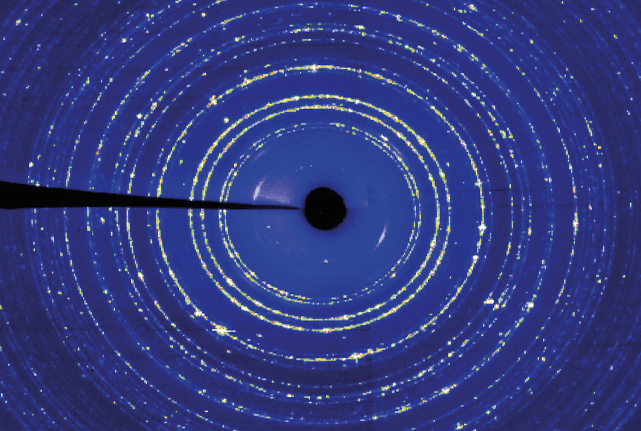
Precise knowledge of atomic arrangements allows us to understand and optimize material properties. This expertise, along with improved synthesis methods, enables the creation of new materials with enhanced properties.

Low Temperatures
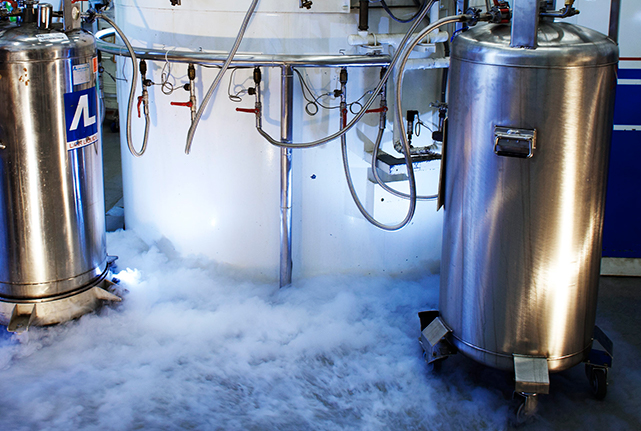
In daily life, temperature is associated with sensations of “hot” and “cold.” In physics, the temperature of an object measures the average energy of motion of the atoms or molecules that compose it.

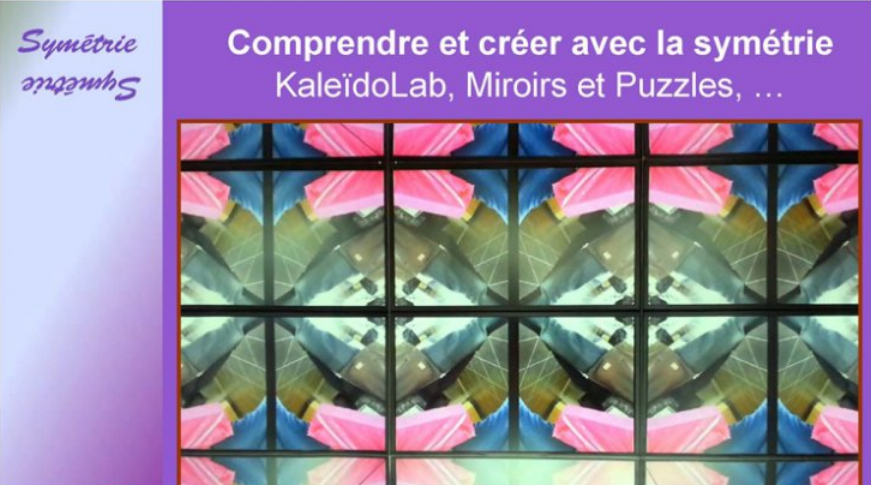
Using the KaléidoLab

  • To create image and light games illustrating symmetry

  • To demonstrate scientific knowledge through hands-on experience

  • To reinforce reality in a virtual world

  • To inspire young people to enjoy science

  • To combine artistic creation and science

Exemples of use

  • Lamballe High School (Côte d’Armor)
  • Lamballe High School (Côte d’Armor)
  • Lab Junior – Lucie Aubrac Middle School

What is symmetry?

Krystallopolis… At the Heart of Matter!

What is crystallography?

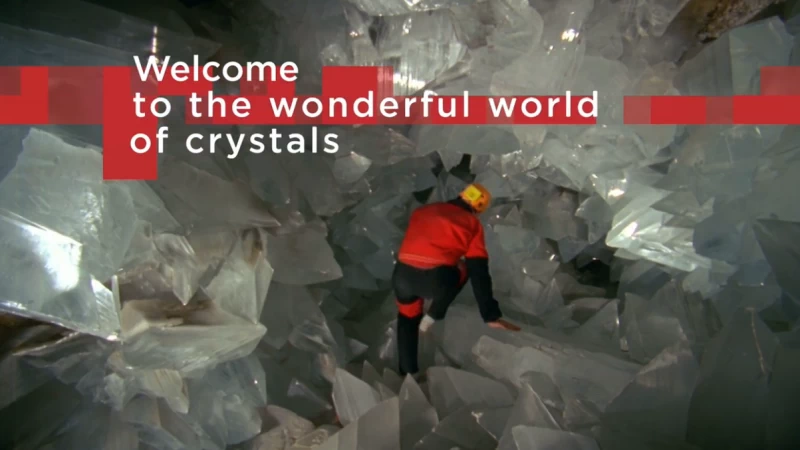
By revealing the atomic and molecular structure of matter, whether biological or mineral, crystallography provides us with the keys to better understand the world around us.

Materials appear different from one another and have very diverse properties. For example, why are some materials electrical conductors while others are insulators? Why are some hard and others soft? How does an antibiotic work? And so on.

Crystallography helps answer these questions by studying the organization of matter at the atomic scale, as shown in the three films below.

Visit krystallopolis.eu for more information (not accessible from the Physiquarium).

Crystallography in Video